

Where Does Your Funeral Budget Actually Go? Understanding the Essential Costs
When arranging a funeral, it is easy to feel that every detail is important. A better casket, more flowers, extra days for the wake, additional decorations—each decision may seem like another way of showing how much someone meant to us.
But when a family is working within a limited budget, an important question needs to be asked:
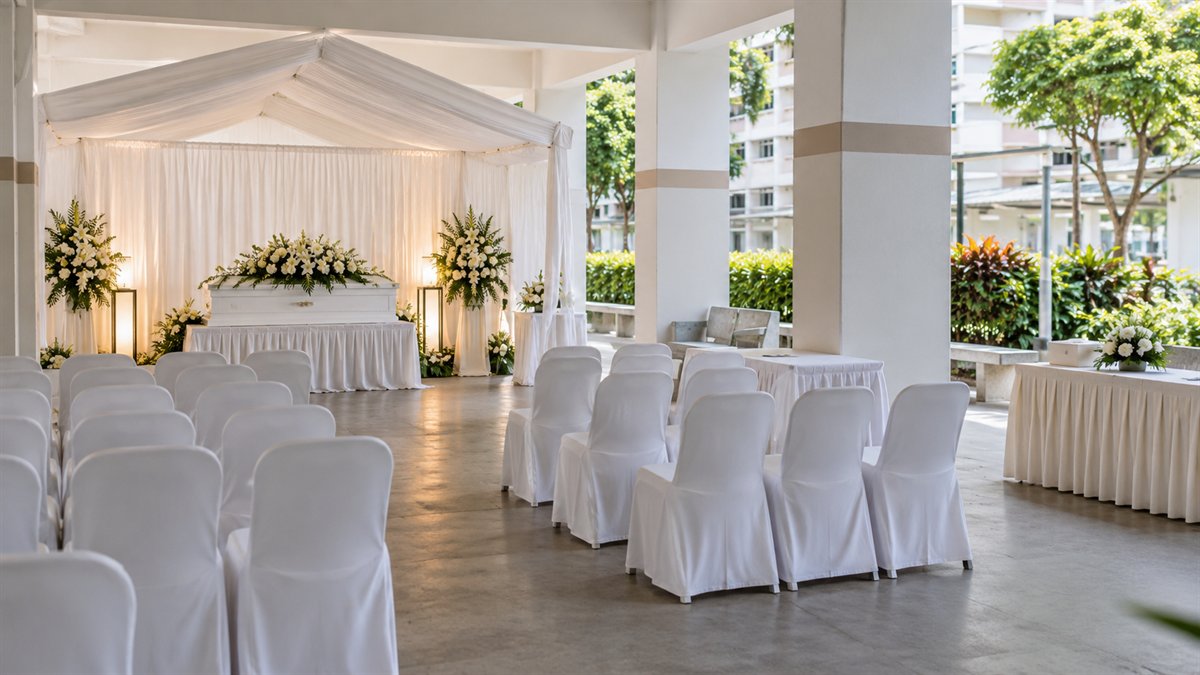
Where does the money actually need to go?
A dignified funeral does not require families to stretch themselves financially. Understanding the essential costs can help you spend where it matters and feel comfortable saying no to things that do not.
Start With the Essentials
Before thinking about flowers, catering or decorations, there are practical arrangements that must happen after a person passes away.
These typically include professional funeral services, collection and transportation of the deceased, body preparation where required, a suitable casket, administrative coordination and arrangements for the final journey.
Funeral packages often group these services together, making it easier for families to understand the basic cost rather than arranging every item separately.
For a family watching every dollar, this is the best place to begin:
What do we actually need to provide a proper and respectful farewell?
Everything else can be considered afterwards.
The Wake Can Affect Your Budget Significantly
A longer funeral is not automatically a better funeral.
Each additional day may mean additional venue, tentage, facilities, catering and other operating costs. Simplicity Casket’s current packages, for example, show different additional-day charges depending on whether a family chooses an HDB void deck or funeral parlour arrangement.
For a smaller family, a shorter wake may be perfectly appropriate.
Consider how many relatives and friends are likely to attend, whether anyone needs additional time to travel to Singapore, and what traditions genuinely need to be observed.
Choosing fewer days because they are sufficient for your family is not cutting corners. It is simply choosing what you need.
The Casket Doesn’t Have to Define the Farewell
Caskets can range from straightforward designs to more elaborate options.
While families naturally want something respectful for their loved one, choosing a more expensive casket does not make the farewell more meaningful. Standard caskets are already included in many funeral packages, while premium designs are generally an optional upgrade.
If your budget is limited, there should be no embarrassment in choosing the standard option.
Dignity comes from how someone is cared for and remembered—not the price of the casket surrounding them.
Know Which Extras Are Truly Important to You
After the essentials are covered, families may be offered additional options.
These can include more elaborate floral arrangements, catering, casket upgrades, extended tentage arrangements, additional memorial items or other personalised touches.
Some may be meaningful to your family. Others may not be necessary at all.
Instead of asking, “What do people normally add?”, try asking:
“Would this make the farewell more meaningful for us?”
If the answer is no, it may be something you can comfortably leave out.
What If Even a Basic Funeral Feels Difficult to Afford?
For some families, funeral budgeting is not about choosing between a standard and premium option. Even the essentials can represent a genuine financial challenge.
This is where honest communication matters.
Tell the funeral provider your circumstances and budget from the beginning. A practical provider should help identify what is necessary, explain the available options clearly and avoid creating additional pressure to spend.
Simplicity Casket’s approach of “Simply Practical, Simply Affordable” is built around economical and transparently priced funeral arrangements, including simpler options such as direct cremation for families who do not require a traditional wake.
For families experiencing serious financial hardship or requiring pro bono assistance, the priority should remain the same: ensuring that the deceased receives a respectful farewell within what the family can realistically manage.
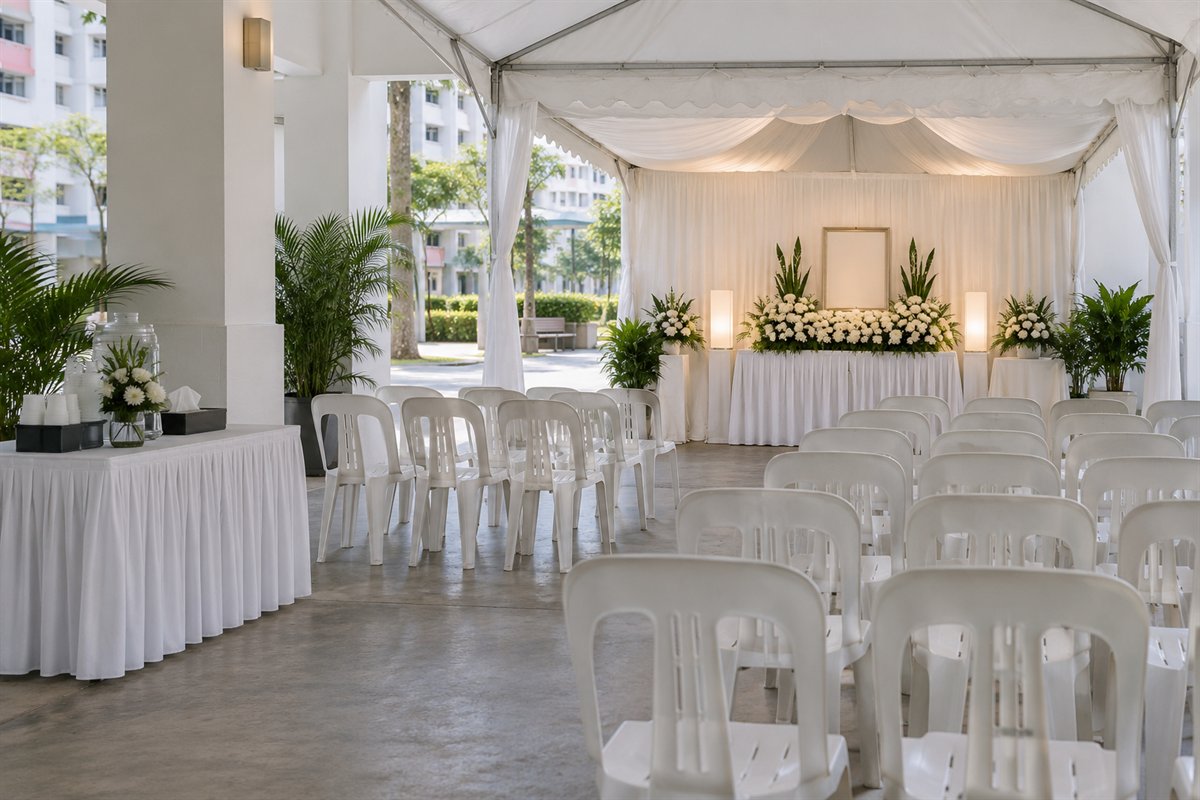
Spend on Meaning, Not Expectations
Perhaps the most important part of funeral budgeting has no price attached to it.
A favourite photograph on display costs very little. A granddaughter writing a short letter costs nothing. Neither does sharing stories, playing a meaningful song or gathering quietly as a family.
Yet these can become the parts of the farewell people remember most.
When resources are limited, focus first on the essential care and arrangements. After that, spend only where something genuinely adds meaning for your family.
There is no minimum amount a family must spend to prove how much someone was loved.
A funeral can be modest and still be beautiful. It can be affordable and still be dignified. And it can be simple while still saying everything that needs to be said.

Leave a Reply